
Do you know how to craft a high-quality bar Soap?
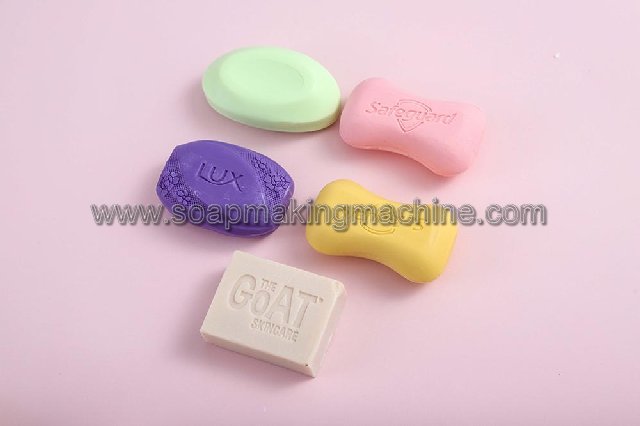
In the world of personal care, a high-quality bar of soap is more than just a daily essential; it's a luxurious experience that can transform your bathing routine. Whether you're a soap-making enthusiast or a business looking to create a standout product, understanding the art and science of crafting a top-notch bar soap is crucial.
Start with the Right Ingredients
The foundation of any great bar soap lies in the quality of its ingredients. Opt for natural, skin-friendly substances that provide both functionality and benefit. The main components of soap are fats or oils and lye (sodium hydroxide). When these two react in a process called saponification, they form soap and glycerin.It's important to source your ingredients from reputable suppliers to ensure purity and quality.
Master the Saponification Process
Saponification is a precise chemical reaction that requires careful measurement and temperature control. First, calculate the correct amount of lye needed for your chosen oils using a soap-making calculator. This is a critical step, as too much or too little lye can result in a soap that is either caustic or doesn't harden properly.
Once you have your ingredients measured, melt the solid oils (such as coconut oil or palm oil) in a double boiler. Then, in a well-ventilated area, slowly add the lye to distilled water, stirring gently until it dissolves. Be very cautious during this step, as the mixture can release fumes and get very hot. Allow both the oil mixture and the lye solution to cool to the appropriate temperature, usually around 100-120°F (38-49°C), before combining them.
Next, pour the lye solution into the oils and use a stick blender to mix them until they reach a light trace, which is when the mixture starts to thicken slightly and a trail left by the blender stays on the surface for a moment. At this point, you can add any additional ingredients such as fragrance oils, essential oils, or natural colorants.
Add Value with Additional Ingredients
To take your soap to the next level, consider adding ingredients that provide extra benefits. Fragrance is a big part of the soap experience, so choose high-quality essential oils or fragrance oils that are safe for use on the skin. You can also add exfoliants like ground oats, sugar, or sea salt to create a scrubby soap that helps remove dead skin cells and leave the skin feeling smooth and refreshed.
Cure Your Soap Properly
After pouring the soap mixture into molds, it needs to cure for several weeks to allow the saponification process to complete and the soap to harden. During this time, the soap will lose moisture, resulting in a harder, longer-lasting bar. Keep the molds in a cool, dry, and well-ventilated area, away from direct sunlight and heat.
After 24-48 hours, you can unmold the soap and cut it into individual bars. Then, place the bars on a wire rack or a tray with good air circulation to continue curing. Turn the bars regularly to ensure even drying on all sides.
Whether you're making soap as a hobby or for business, the process is rewarding, and the end result is a product that you can be proud of. So, why not give it a try and start creating your own luxurious bar soaps today?
keywords: soap making machinery; soap production line; soap
Good Price of Long Bar Soap Production Line Toilet Soap Forming Making Machine in China
The introduction of soap making machines 150-2000 kg/h toilet soap production line
Related Article


