How to Ensure Product Quality and Hygiene During Soap Production?
In the global market of toilet and laundry soap production, maintaining high standards of product quality and hygiene is not just a regulatory requirement but a crucial factor in building a trustworthy brand and attracting discerning overseas buyers. For those in the soap manufacturing industry, especially when dealing with solid soap production, the production environment and the use of advanced soap equipment play pivotal roles. Let's explore the key steps to ensure excellence in every bar of soap.
1. Optimize the Soap Production Environment
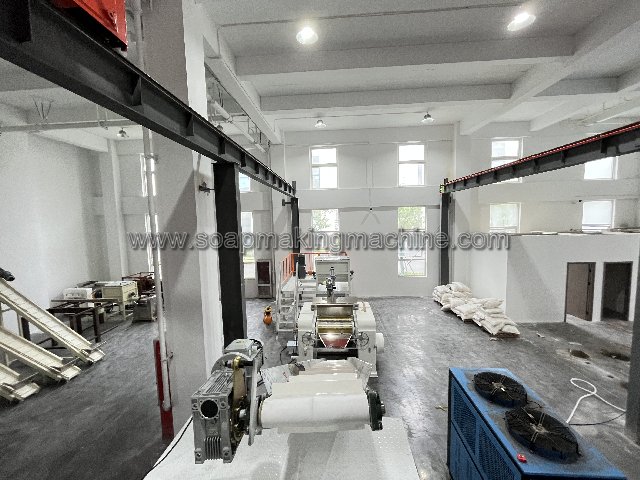
The foundation of quality and hygiene lies in the production environment. A well - designed and controlled production space is essential. First, the facility should be divided into distinct zones: raw material storage, production area, and finished product storage. This separation minimizes the risk of cross - contamination. The production area must be kept clean at all times, with regular sanitization of floors, walls, and production surfaces. Adequate ventilation is also a must to remove any airborne contaminants and maintain a comfortable working temperature for the staff, which in turn helps in reducing human errors that could affect quality.
2. Invest in High-Quality Complete Line Soap Making Machine
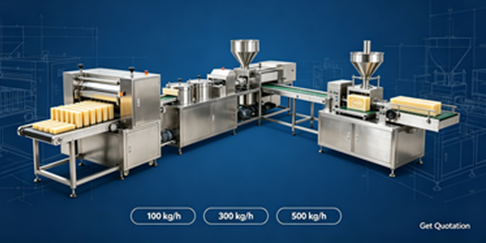
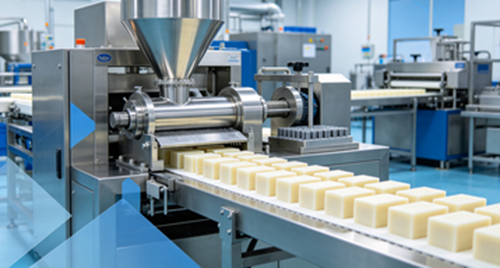
The use of a reliable complete line soap making machine is non - negotiable for consistent quality. These machines are designed to handle every step of the soap production process, from melting and mixing raw materials to forming and cutting the solid soap. Look for machines made from food-grade stainless steel, which is resistant to corrosion and easy to clean, ensuring no metallic contaminants find their way into the soap. Modern machines also come with advanced control systems that allow for precise regulation of parameters such as temperature, mixing speed, and production time. This precision is key to achieving a uniform texture and chemical composition in each batch of soap.
3. Implement Strict Raw Material Quality Control
The quality of the raw materials directly impacts the final product. Whether it's oils, fats, alkalis, or fragrances and colorants, each component should be sourced from reputable suppliers who can provide detailed quality certificates. Conduct thorough incoming inspections, including testing for purity, chemical composition, and microbial content. Store raw materials in appropriate conditions, such as dry and cool environments, to prevent degradation and the growth of harmful microorganisms.
4. Train and Monitor Production Staff
Well-trained staff are the frontline guardians of quality and hygiene. They should be educated on good manufacturing practices, including proper handwashing, wearing of protective clothing (such as gloves, hairnets, and lab coats), and the correct operation and maintenance of soap equipment. Regular health checks for staff can also prevent the spread of any diseases that could contaminate the production process. Establish a clear set of protocols for staff to follow at every stage, from raw material handling to packaging, and have supervisors regularly monitor compliance.
5. Conduct Regular Quality and Hygiene Testing
To ensure that the soap meets international quality and hygiene standards, implement a comprehensive testing program. For quality, test parameters such as pH level, lather formation, and hardness of the solid soap. For hygiene, perform microbial tests to check for the presence of bacteria, fungi, and other pathogens. These tests should be carried out at various stages of production, including on raw materials, in-process products, and finished goods. Keep detailed records of all tests to identify any trends or potential issues and take corrective actions promptly.
6. Maintain Clean and Efficient Soap Equipment
Regular maintenance and cleaning of soap equipment are vital. Develop a detailed cleaning schedule for each machine, including daily wipe-downs and deep cleaning at regular intervals. Use non-toxic, biodegradable cleaning agents that are safe for use in a soap production environment. During maintenance, check for any signs of wear and tear, such as leaks or damaged seals, which could lead to contamination or production inefficiencies. Well-maintained equipment not only ensures hygiene but also extends the lifespan of your investment and improves overall production efficiency.
By focusing on the soap production environment, using top-notch complete line soap making machine and other soap equipment, controlling raw material quality, training staff, and conducting regular testing, you can ensure that your toilet and laundry soap production meets the highest standards of quality and hygiene. This not only helps in building a strong brand in the global market but also attracts overseas buyers who are constantly on the lookout for reliable and high-quality soap manufacturers. Invest in these aspects today and watch your soap production business thrive with satisfied customers and increased sales.
Keywords: soap production environment; complete line soap making machine; solid soap; soap equipment
How to Distinguish Between Soap Grains and Soap Oil?
A Soap Production Line--Make your own beauty soap