What's the Difference Between Laundry Soap and Toilet Soap?

Do you ever pick up a bar of soap and wonder if it’s meant for your clothes or your hands? While laundry soap and toilet soap may look similar, they’re engineered for entirely different purposes. Understanding their differences can help you choose the right product— and if you’re in the soap-making business, it can guide your production decisions, especially when selecting soap equipment.
Let’s start with ingredients. Laundry soap is formulated to tackle tough stains, dirt, and oils on fabrics. It typically contains higher levels of surfactants, like sodium laureth sulfate, which cut through grime effectively. These surfactants are more aggressive to ensure clothes come out clean, even after heavy use. On the other hand, toilet soap prioritizes skin safety and mildness. It has a balanced pH level and often includes moisturizing agents like glycerin or aloe vera to prevent dryness. Some luxury toilet soaps even add essential oils for fragrance, making them gentle enough for daily use on skin.
Laundry soap is designed for fabrics—whether cotton, linen, or synthetic materials. Its strong cleaning power breaks down food stains, sweat, and dirt without damaging fibers (when used correctly). Toilet soap, by contrast, is strictly for personal hygiene. It cleanses the skin without stripping away its natural oils, reducing irritation and keeping skin soft. Using laundry soap on skin can cause dryness or redness, just as toilet soap would struggle to remove tough laundry stains.
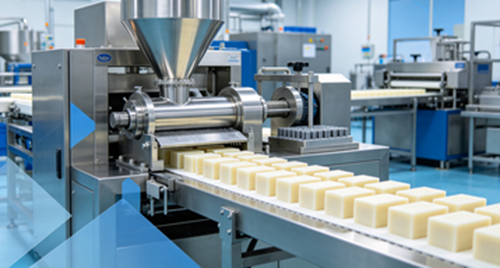
The differences in formulation also affect their production processes— and this is where soap making machines and production lines come into play. Laundry soap production often requires equipment that can handle higher concentrations of active ingredients. Our soap production line is equipped to adjust ingredient ratios precisely, ensuring laundry soap meets the tough cleaning standards your customers demand.
For toilet soap, the focus is on gentleness and texture. The soap making machine needs to incorporate moisturizing additives evenly and maintain a smooth, consistent bar texture. Our advanced soap equipment includes mixing systems that blend delicate ingredients like glycerin and essential oils without compromising their effectiveness, resulting in a toilet soap that lathers well and feels luxurious on the skin.
Another factor is hardness. Laundry soap is usually harder to withstand frequent use in water and resist dissolving quickly. This requires a specific curing process, which our soap production line can manage with controlled drying times. Toilet soap, being softer, benefits from a different curing method to achieve its creamy texture— something our equipment is fully optimized for.
Whether you’re producing laundry soap, toilet soap, or both, having the right soap equipment is crucial. Our soap production line is versatile enough to handle both types, with adjustable settings to switch between formulations seamlessly. From mixing to molding, our machines ensure efficiency and consistency, helping you meet market demands with high-quality products.
In summary, while laundry soap and toilet soap share a basic soap structure, their ingredients, purposes, and production needs set them apart. Choose the right formulation for your target market, and trust in reliable soap making machines to bring your vision to life. Contact us today to learn how our soap equipment can elevate your production process.
Keywords: laundry soap;toilet soap;soap production line; soap making machine; soap equipment
How Chinese soap making machine helps Nigerian overcome local manufacturing hurdles?
Our Recommendation: Fully Automatic 100KG Per Hour Laundry Soap Making Line